

MSP353 AI In ‘26: Crab Course
Matt Armitage, Founder, Kulturpop
06-Feb-26
Tech Talk
(11:00 AM)

Matt Armitage, Founder, Kulturpop
06-Feb-26
Tech Talk
(11:00 AM)

CF Fong, Founder and CEO, LGMS Berhad
18-Dec-25
Morning Brief
(08:45 AM)

Niki Cheong, Lecturer in Digital Culture and Society, King's College London
15-Jan-25
Top 5 At 5
(05:00 PM)
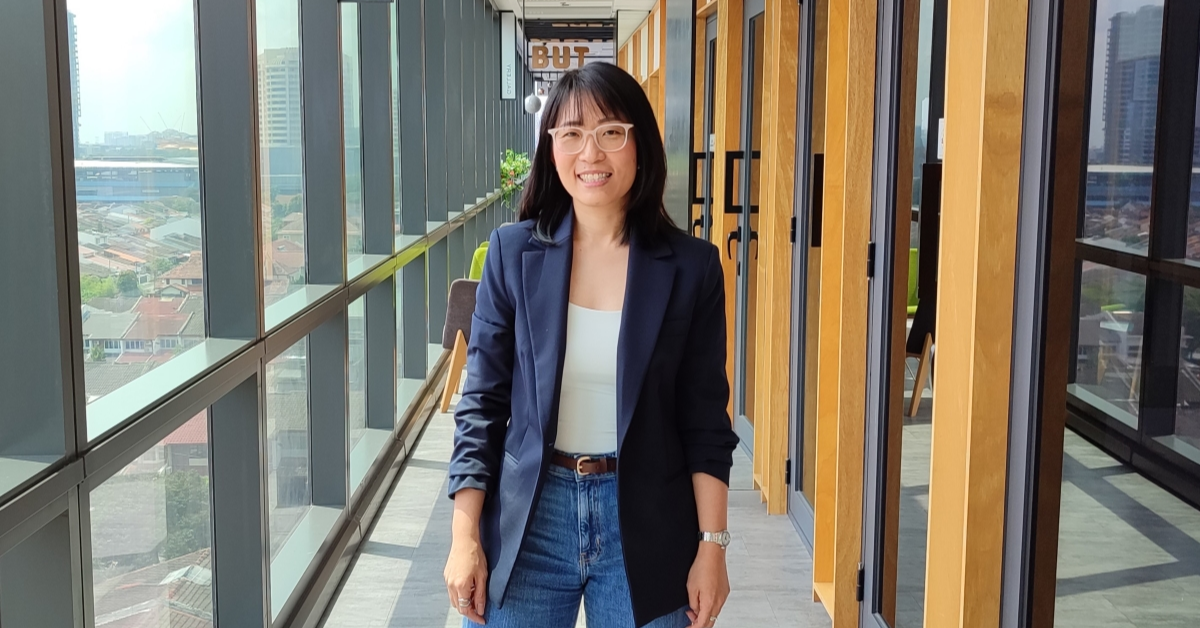
Jillian Chia, Partner and Head of Privacy and Data Protection Practice, Skrine
06-Dec-24
Enterprise Explores
(12:00 PM)

Dr Farhan Rusli, Special Officer to the Minister of Health & Fellow, Institute for Research & Development of Policy
19-Nov-24
Top 5 At 5
(05:09 PM)

Matt Armitage , Founder, Kulturpop
10-May-24
Tech Talk
(11:00 AM)

Nur Arfah Zaini, Licensed & Registered Counsellor and Clinical Psychologist
24-Apr-24
Morning Brief
(07:45 AM)

Kam Raslan | Julian Yap | Sheryll Paul
29-Mar-24
A Bit Of Culture
(09:00 PM)
Suaran Singh Sidhu, Partner, KDJLAW
13-Apr-18
Evening Edition
(05:10 PM)
Christopher Tock, Social Grooves
12-Sep-17
Resource Centre
(11:00 AM)
The Morning Run Crew
28-Jun-17
The 6AM Stretch
(06:00 AM)
The 6AM Stretch
Thought-provoking discussions on ideas, people and events shaping our lives.
World Market Watch
Michele Schneider, Chief Strategist at Market Gauge tells us where international markets are heading.
Morning Brief
We recap global and local headlines from today's papers and portals.
Morning Brief
Dr. Azmi Hassan, Senior Fellow, Nusantara Academy for Strategic Research discusses recent updates in Malaysian politics.
Morning Brief
Idham Idris, Director, Corporate Treasury Investment Services, Wealth Vantage Advisory talks about the Hire Purchase (Amendment) Act 2026.
The Breakfast Grille
Davis Chong, CEO of Solarvest Holdings gives us an update on how the company is doing since last February, record net profits in the 9MFY2026 period, expansion plans and more.
Morning Brief
Dr Jayant Menon, Visiting Senior Fellow at the ISEAS Yusof Ishak, unpacks implications of the voided Agreement on Reciprocal Trade (ART) with the US means for Malaysia.
Morning Brief
(REPEAT) Idham Idris, Director, Corporate Treasury Investment Services, Wealth Vantage Advisory talks about the Hire Purchase (Amendment) Act 2026.
Opening Bell
(REPEAT)Michele Schneider, Chief Strategist at Market Gauge tells us where international markets are heading.
Opening Bell
Nabil Zainoodin, Equity Research Analyst at BIMB Securities, discusses the outlook for Malaysia’s construction sector.
BBC The Inquiry
Why Is Poland’s Economy Booming?

Open For Business
Khor Swee Kheng, CEO and Aisha Adam, Director of Business Development, Angsana Health
Marketing Mojo
Margie Ong, CEO, Thoughts In Gear
Enterprise Explores
Vincent Chin, Managing Director and Senior Partner, and Global Vice Chair of BCG’s Public Sector Practice
Breakfast Grille (REPEAT)
Davis Chong, CEO of Solarvest Holdings gives us an update on how the company is doing since last February, record net profits in the 9MFY2026 period, expansion plans and more.
Discovery Hour
An eclectic selection of BBC shows, curated with variety in mind.
Beyond the Ballot Box
We speak to a councillor from the Petaling Jaya City Council on their plans for the future, which includes making PJ more dense and accessible to public transportation.
Health & Living
University can be a difficult transition period for young adults. How can parents maintain meaningful connection with their children while encouraging independence?
Top 5 at 5
A countdown of the 5 biggest stories of the day, to catch you up on all you need to know!
Talkback Tuesday