
BFM 89.9

HIGHLIGHTS 
Podcast  >  Enterprise  >  Tech Talk  >  MSP207. RiPod. What Happens When Technology Dies?

MSP207. RiPod. What Happens When Technology Dies?

Matt Armitage, Kulturpop

20-May-22 11:00
MSP207. RiPod. What Happens When Technology Dies?

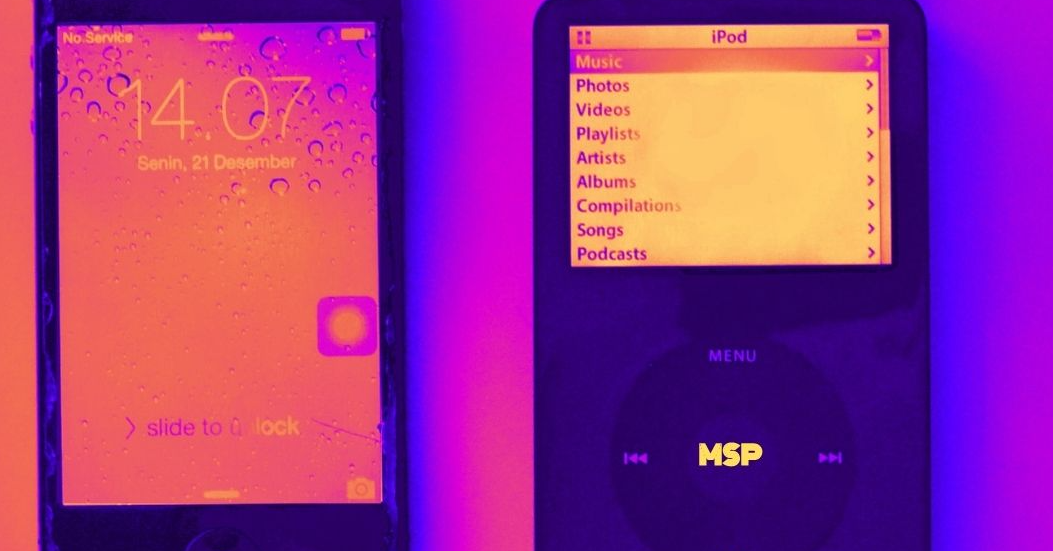
Today we’re saying a fond farewell to the mighty iPod as Apple retires one of its most iconic products. And take a look at another cultural icon that technology is threatening: the petrol station forecourt.

Produced by: Richard Bradbury

Presented by: Richard Bradbury


This and more than 60,000 other podcasts in your hand. Download the all new BFM mobile app.

Categories:  technologyeconomymarketsinvestments

Tags:  futurismmattsplainedmsptechnologyartificial intelligencevirtual reality


Play / Pause

Listen now : BFM 89.9 -- The Business Station

Today’s Shows


11:00 AM

Best of Enterprise

(REPEAT) Is Kwai Chai Hong preserving heritage, or curating it for a modern audience? Its Co-Founder, Zeen Chang discusses the fine line between community and commodity.

12:00 PM

Popcorn Culture

(REPEAT) The team reviews Good Luck, Have Fun, Don't Die & Wuthering Heights on this episode of Popcorn Culture!

1:00 PM

Cruise Control

(REPEAT) Are Malaysians switching to EVs at an acceptable rate? We unpack where we are in this week's episode.

2:00 PM

Matt-Splained

(REPEAT) Instead of talking about equitable societies, AI has once again decided we have to revert to the ‘world in peril’ format. Richard and Matt try to make sense of it all. Again.

3:00 PM

Earth Matters

(REPEAT) We speak with Lanuza Layon, Chairperson of the Kampung Sungai Kurau Village Development and Security Committee, and Sarah Amer, a Community Organiser from Gerimis Art Project, about the broader struggle for Orang Asli land rights in Malaysia.

4:00 PM

Bar None

(REPEAT) We discuss the latest changes made to BWF's tournaments and competitions, set to take place from 2027 onwards.

5:00 PM

BBC World Service

Datshiane Navanayagam talks to two women whose life changing illnesses led them to set up new businesses after they discovered high street clothes are uncomfortable and difficult to wear when you have restricted mobility or medical needs.