

ASEAN’s F&B Trade Paradox: Why Only 23% Stays Regional
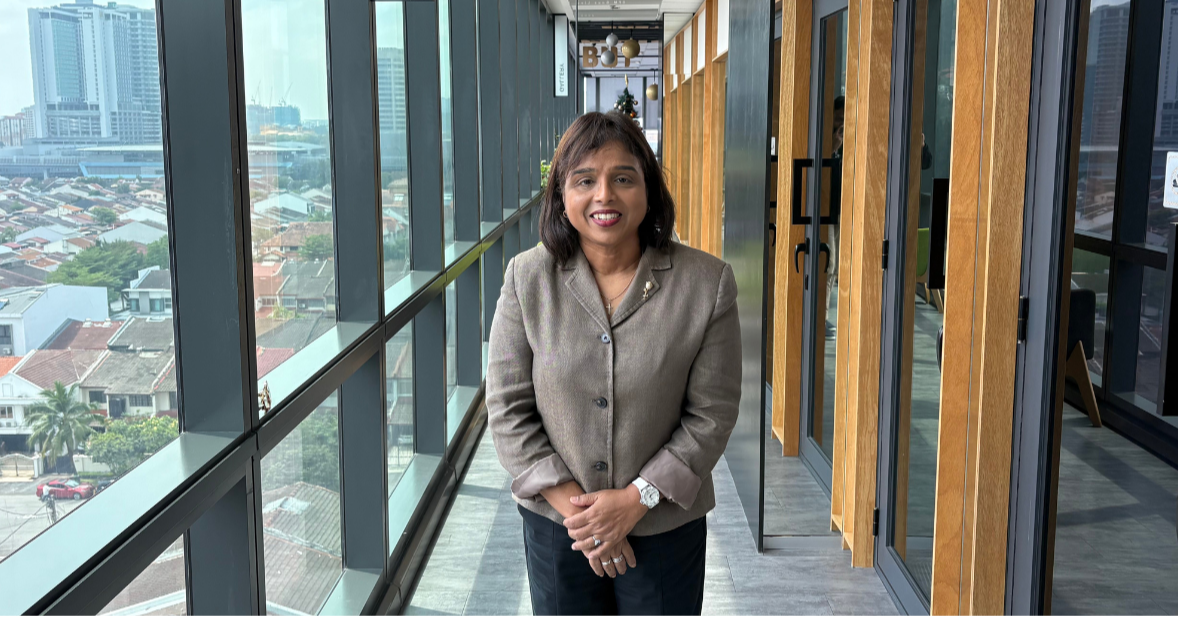
Dr Evelyn S. Devadason, Professor, Faculty of Business and Economics, Universiti Malaya
02-Dec-25 12:00
Embed Podcast
You can share this podcast by copying this HTML to your clipboard and pasting into your blog or web page.
Close
ASEAN is famous for its food, but a new report reveals a surprising statistic: only 23% of the region's F&B trade stays within Southeast Asia. What's stopping the flow of goods between neighbors? The answer lies in a complex web of "red tape," from confusing nutrition labels to divergent halal rules.
Dr. Evelyn S. Devadason, lead advisor for the latest ASEAN Integration Report from The Institute for Democracy and Economic Affairs (IDEAS) , joins us to unpack the hidden barriers choking regional trade.
She explains why non-tariff measures (NTMs) disproportionately hurt MSMEs, the high cost of information asymmetry, and why "capability access" is more critical than market access for small businesses.
We discuss:
Why intra-regional F&B trade is shockingly low at 23%.
The "regulatory distance" created by divergent food safety and labeling rules.
How inconsistent halal standards create friction for exporters.
The "say-do gap" between trade agreements and on-the-ground reality.
Why MSMEs need "capability access" (digital & vertical integration) to survive.
Produced by: Roshan Kanesan
Presented by: Roshan Kanesan
This and more than 60,000 other podcasts in your hand. Download the all new BFM mobile app.
Categories: economy, food, SME, entrepreneurs
Tags: international trade, asean, food & beverage industry, msme, halal economy,